
You didn’t run a marathon. You didn’t pull an all-nighter. You barely left your desk. Yet here you are, exhausted.
If you’ve been typing “why do I feel mentally drained” into Google, you’re not lazy. You’re overloaded in ways you probably don’t see.
This article breaks down the real reasons behind that drained feeling, including cognitive load and dopamine fatigue, and what you can do about it. By the end, you’ll understand exactly what’s happening in your brain and how to fix it.
Why Do I Feel Mentally Drained Even When I Didn’t Do Much?
If you keep asking yourself, “Why do I feel mentally drained?” on days that look objectively easy, the answer usually isn’t physical effort. It’s an invisible mental effort.
Mental exhaustion is rarely about how busy you were. It’s about how much your brain had to process. Every notification, decision, unfinished task, and emotional interaction consumes cognitive energy. Even scrolling social media requires constant micro-decisions. Your brain doesn’t measure effort by sweat. It measures effort by load.
Here’s what often contributes to that drained feeling:
- Constant context switching between tasks
- Background stress you haven’t resolved
- Too many open loops in your mind
- Emotional processing you didn’t consciously notice
- Dopamine spikes and crashes from digital stimulation
You may not feel busy, but your brain might be running nonstop.
When people search “why do I feel mentally drained,” they’re usually looking for one simple cause. In reality, it’s a combination of cognitive load and reward system fatigue. Let’s break both down clearly.
Cognitive Load: Your Brain’s Bandwidth Has Limits
A big part of answering the question “why do I feel mentally drained” comes down to cognitive load. It’s the total amount of mental effort being used in your working memory at any moment.
Working memory is the mental space you use to hold information temporarily while you think, decide, or solve problems. It is powerful, but limited.
Researchers often break cognitive load theory into three types:
- Intrinsic load – The natural complexity of what you are trying to understand or do.
- Extraneous load – The extra mental effort caused by distractions, poor instructions, cluttered interfaces, or unnecessary steps.
- Germane load – The useful effort you invest in making sense of things, building skills, and turning information into long-term knowledge.
On a typical day, you might not have much intrinsic load (no exam, no major presentation), but your extraneous load can be enormous:
- Notification pings, pop-ups, and constant app-switching.
- Over-complicated tools and workflows.
- Trying to keep dozens of “open tabs” in your head at once.
- Consuming nonstop content that never settles into real understanding.
Cognitive overload happens when the total load on working memory exceeds its capacity. Your brain starts dropping details, making more mistakes, and struggling to pay attention. You feel foggy, scattered, and weirdly exhausted for “no good reason.”
If you repeatedly ask, “Why do I feel mentally drained even though my day was easy?” there is a good chance your working memory was not actually easy. It was just visually quiet while your brain was juggling too many inputs.
Dopamine Fatigue: When “Tiny Hits” Wear Out Your Motivation
Cognitive load is one side of the story. The other side is dopamine.
It’s a neurotransmitter involved in motivation, reward, and learning. Your brain releases dopamine when you expect or receive a reward. Social media platforms, games, and many apps are built around this system. Variable rewards (likes, messages, surprising content) keep you checking “just one more time.”
The more your brain is exposed to fast, high-frequency dopamine spikes from endless scrolling, notifications, and quick entertainment, the more it adapts.
Over time, the brain can start to downregulate dopamine signaling to protect itself from constant stimulation. That can make normal activities feel flat, boring, or effortful in comparison, contributing to low motivation and emotional exhaustion.
This is where dopamine fatigue comes in. It is not an official medical diagnosis, but it is a useful way to describe how overstimulating your reward system can leave you feeling:
- Restless when things are quiet.
- Bored by tasks that once felt satisfying.
- Constantly craving something new on your screen.
- Too drained to start meaningful but effortful activities.
Everyday Habits That Quietly Drain Your Mental Energy
- rk time
You lie on your bed with a show on, but keep checking your email. You are technically “resting” but emotionally still on duty. Your brain never gets a clear signal to power down. - Emotional micro-stress
Seeing news headlines, worrying about someone’s reply, and comparing yourself to others’ highlight reels. None of these events is huge on its own. Still, the emotional micro-spikes throughout the day accumulate and feel like a weight by the evening. - Cluttered digital spaces
Dozens of open tabs, unread messages, overflowing to-do apps. Visual and cognitive clutter keep your mind in “there is more I should be doing” mode, which feeds the sense of constant unfinished work.
When Feeling Mentally Drained Might Mean Something More
Most of the time, feeling mentally drained is about overload, not failure. But it is also important to say this clearly: sometimes that persistent question “why do I feel mentally drained” points to something deeper that deserves attention.
Chronic mental exhaustion can overlap with or signal:
- Anxiety disorders
- Depression or low mood that does not lift
- Burnout from school, work, or caregiving
- Sleep disorders or chronic health conditions
- Neurodivergence or learning differences that make everyday environments more taxing
Research on decision fatigue and mental overload shows that ongoing psychological strain can affect mood, self-control, and even physical health outcomes over time.
Practical Ways To Reduce Mental Drain Day To Day
Understanding the mechanisms behind your mental drain is useful only if it leads to concrete changes. You do not need a perfect system. You need a few habits that lower cognitive load, calm your dopamine system, and give your mind real downtime.
1. Lower Your Cognitive Load On Purpose
You cannot remove every stressor, but you can reduce unnecessary brain clutter.
Try:
- Externalizing your brain: Write down tasks, worries, and ideas instead of carrying them in your head. This frees working memory and reduces that “spinning” feeling.
- Creating simple defaults: Same breakfast, same study start time, same workout slot. Fewer daily decisions mean less decision fatigue.
- Chunk your time: Group similar tasks together so your brain doesn’t constantly switch modes.
A journaling tool can be helpful here, not as a diary for perfect sentences, but as a place where you dump thoughts before they clog your focus.
2. Tame The Dopamine Roller Coaster
You do not have to quit the internet. You do need to change how you use it if you are always asking, “Why do I feel mentally drained” after long scroll sessions.
Small but powerful adjustments:
- Set specific “scroll windows” instead of using social media as a constant background.
- Move stimulating apps (social, games, short-form video) off your home screen.
- Do one slow, offline activity per day with no notifications, like walking, stretching, or doodling.
Studies show that chronic exposure to highly stimulating digital content can dysregulate the reward system and contribute to mental fatigue and anxiety. Giving your brain predictable, slower rewards helps recalibrate your baseline.
3. Build Tiny “Mental Reset” Rituals Into Your Day
You do not fix mental drain with one giant weekend off. You fix it by inserting small resets into regular days so your system does not stay at max capacity.
Examples:
- One minute of slow breathing after each class or meeting.
- A short screen-off break every 60–90 minutes.
- A quick body scan when you notice you are clenching your jaw or shoulders.
4. Use Tools That Help You Process, Not Just Distract
Distraction is not the same as rest. Real rest often means letting your brain process emotions and thoughts safely, rather than constantly pushing them aside.
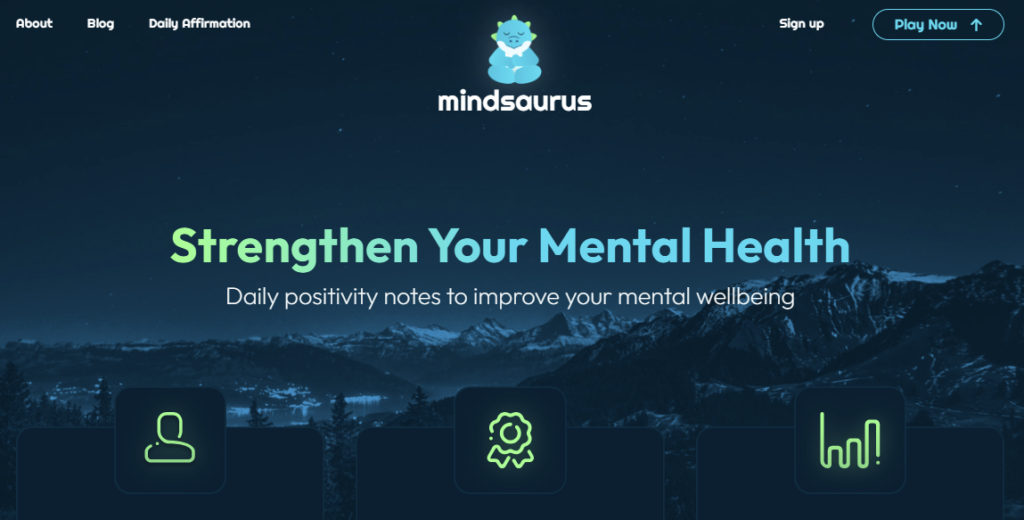
This is where a platform like Mindsaurus comes in. It’s a wellness app and digital space designed to help users, especially teens and young adults, build a more positive mindset through guided journaling, gratitude prompts, and exercises for managing negative thoughts. Instead of just numbing out with another feed, you can use structured prompts to:
- Name what is draining you today.
- Challenge unhelpful thought patterns.
- Notice small wins and moments of gratitude.
Conclusion
If you have been asking, “Why do I feel mentally drained,” on repeat, you are not broken. You are living in an environment that constantly pushes your cognitive load and dopamine system past their limits.
Once you understand that, your question becomes a useful signal instead of a personal criticism. It is your brain’s way of saying:
- There is too much input and not enough recovery.
- There are too many decisions and not enough structure.
- There is too much fast stimulation and not enough meaningful effort.
By reducing cognitive overload, resetting your relationship with screens and dopamine, processing your thoughts with tools like Mindsaurus, and getting professional help when needed, you give your brain room to recover.
The goal is not to never feel tired again. It is to make sure that when you do feel drained, it makes sense, and that you know what to do next.